January 8, 2026
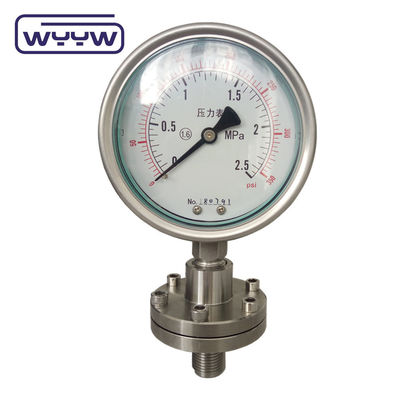
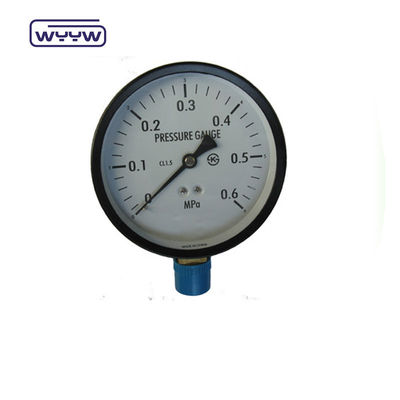
Pressure gauges are usually connected to the outlet of the pump because this allows for measuring and monitoring the output pressure of the pump. The outlet of the pump is where the pump discharges the oil, and it is also the final location where the oil flows out. By connecting the pressure gauge to the outlet, the pressure output by the pump can be directly measured.
Measuring the output pressure of the pump is extremely important for monitoring and adjusting the operation of the pump. By observing the readings on the pressure gauge, one can determine whether the pump is operating normally and whether it is generating sufficient pressure to meet the requirements of the system. If the pressure is too high or too low, appropriate measures can be taken promptly for adjustment or repair.
Additionally, connecting the pressure gauge to the outlet can also help detect and solve potential problems, such as valve failures, pump wear or blockages. By observing the changes in the pressure gauge readings, one can determine if there are any abnormal situations and take appropriate measures for repair in a timely manner.
In conclusion, connecting the pressure gauge to the outlet of the pump allows for direct measurement of the pump's output pressure, which helps in monitoring and adjusting the pump's operation, and enables the timely detection and resolution of potential issues.