January 4, 2026
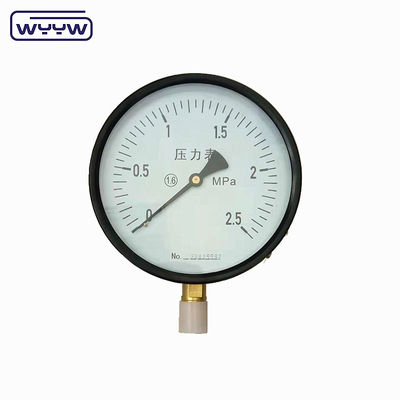
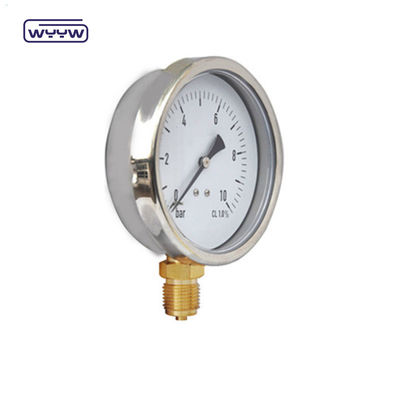
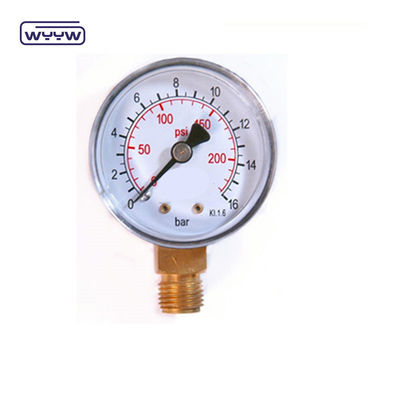
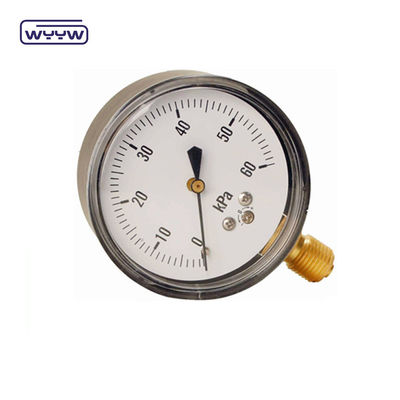
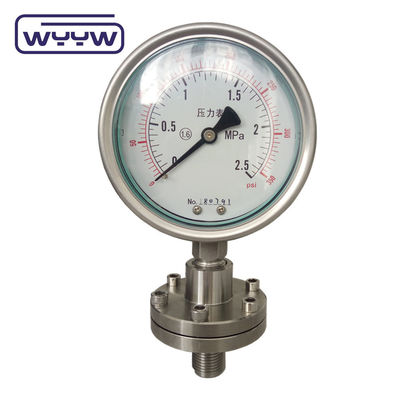
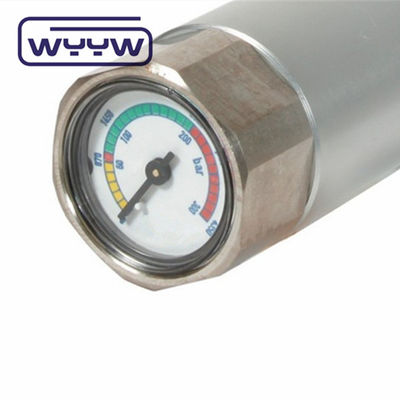
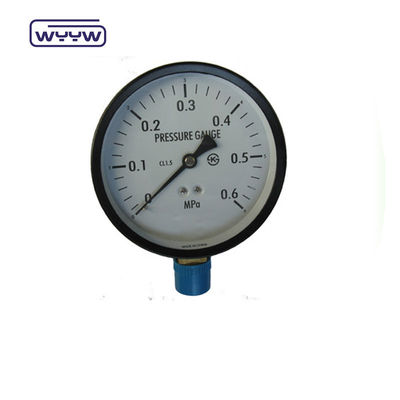
In daily life and work, there is a small-sized but highly functional instrument. Do you know what it is? It is the pressure gauge. Its application can be seen everywhere in thermal pipeline networks, oil and gas transmission, water and gas supply systems, and vehicle maintenance and repair shops. There are various types of pressure gauges with different functions. They can not only visually display the pressure changes in each process link but also reveal the conditions formed in the product or medium flow, providing monitoring for the safety trends during the production and operation process.
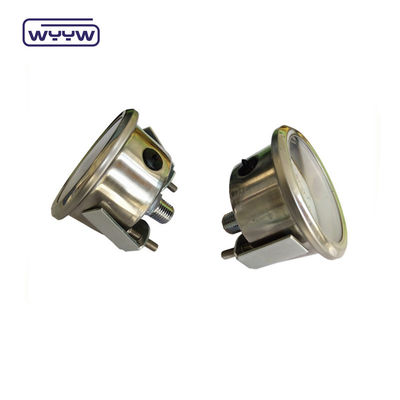
The types used in different industries and working conditions will also vary. For instance, 150mm ones are often used in certain specific situations. Embedded and convex pressure gauges, which we commonly refer to as pressure gauges with flanges, have different installation methods. Axial embedded type means the flange is at the front of the axis, radial embedded type means the flange is at the front of the radius, and radial convex type means the flange is at the back of the radius of the pressure gauge.
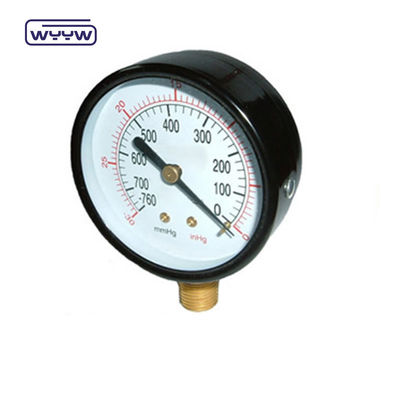
In addition, from the perspective of the pressure range, the positive pressure range can be further divided into multiple range sections such as micro-pressure, low-pressure, and medium-pressure, each of which contains several specific measurement ranges. Meanwhile, the negative pressure range also has its corresponding measurement ranges. The three types of negative pressure each have their own characteristics. The pressure gauge that combines positive and negative pressure ranges, namely the pressure vacuum gauge or vacuum pressure gauge, can measure both positive and negative pressures simultaneously, offering comprehensive functionality.
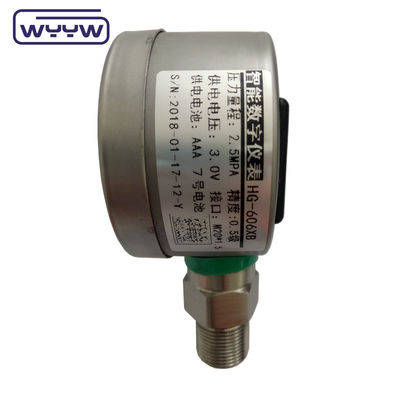
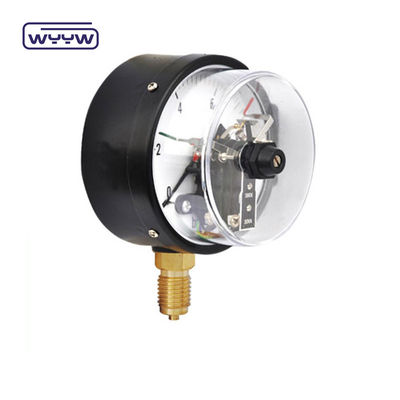
When choosing a pressure gauge, we must conduct a specific analysis based on the actual process and production requirements. The selection of a pressure gauge should take into account the process demands, such as remote transmission and alarm functions, and select the appropriate type based on the medium and environmental characteristics. The stability and feasibility during measurement are also important factors in choosing a pressure gauge. Especially in critical application scenarios such as nuclear power plants or chemical production, the stability and feasibility of the pressure gauge directly relate to the safety and performance of the system.